Tel: 0086-13632687993
  Email: roto@lightvenus.com



 Home
HomeWhat Are the Specific Applications of Rotational Molding in Medical Device Manufacturing?
 Apr 04,2026

What Are the Specific Applications of Rotational Molding in Medical Device Manufacturing?
Rotational molding, as a versatile plastic forming technology, has gained increasing traction in the medical equipment industry, thanks to its unique advantages: zero internal stress, one-piece structural molding, exceptional weather resistance, and low mold costs. It has become a pivotal force in upgrading manufacturing processes for the healthcare industry. Beyond meeting the sector’s rigorous standards for product safety, sterility, and durability, rotational molding delivers an efficient, cost-effective solution for producing large, irregular, and custom medical components.
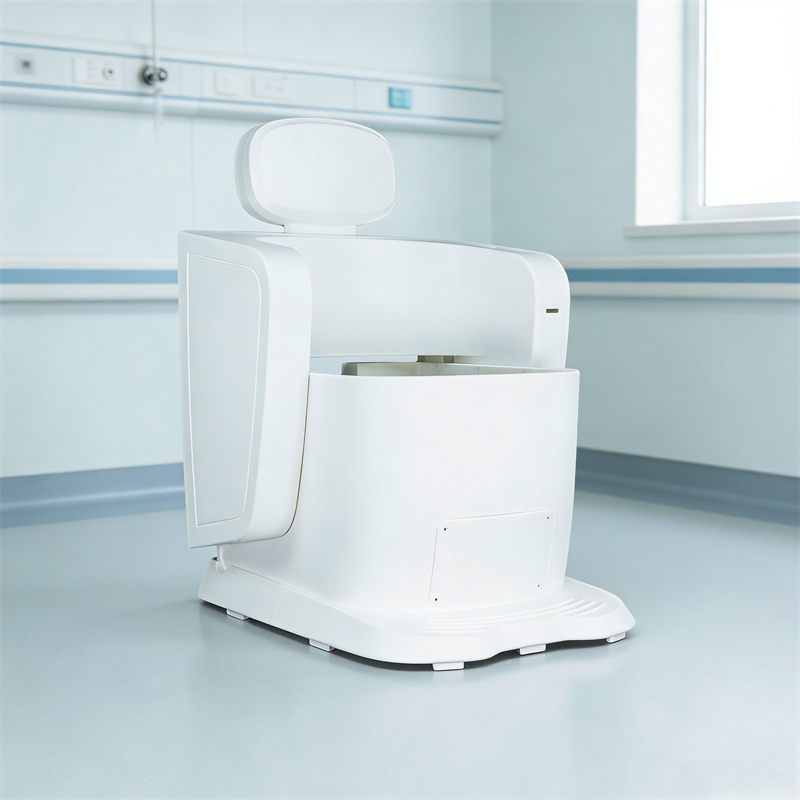
1. Overview of Rotational Molding
Rotational molding, or rotomolding, is a molding process that creates seamless hollow plastic products. It involves heating molds rotating on two axes at a constant temperature, which causes plastic powder to adhere evenly to the mold’s inner surface; the product is then formed upon cooling. Unlike traditional processes such as injection molding and blow molding, rotational molding enables one-piece production of large, irregular components **without the need for high-pressure equipment**. Rotationally molded products offer standout benefits: no splicing seams, uniform wall thickness, and strong chemical corrosion resistance—all of which align perfectly with the healthcare industry’s core demands for safety, sterility, durability, and high customization in medical devices.
2. Key Applications of Rotational Molding in Medical Device
2.1 Housings and Supporting Components for Diagnostic Imaging Equipment
Rotational molding is the preferred manufacturing method for housings and supporting components of high-end diagnostic imaging equipment, including MRI, CT, PET-CT, and X-ray machines.
Examples:
- MRI equipment housings and rack enclosures,
- Patient beds
- Protective housings for CT/PET-CT systems
- X-ray machine shields and control panel casings.
Benefits:
- Electromagnetic Compatibility: Medical-grade polyethylene (PE) and other non-metallic materials eliminate electromagnetic interference, ensuring the imaging precision of MRI, CT, and similar equipment and resolving the critical issue of imaging distortion caused by metallic components.
- Sterility and Safety: The one-piece seamless structure features a smooth, non-porous surface that is easy to clean and disinfect, complying with infection control standards in hospital diagnostic departments and drastically reducing the risk of cross-infection.
- Custom Complex Structures: The technology supports the customization of intricate curved surfaces and irregular structures, perfectly matching the aesthetic and internal support requirements of large diagnostic equipment. No subsequent splicing is needed, which enhances the equipment’s overall sealing performance and long-term durability.
2.2 Components for In Vitro Diagnostic (IVD) Instruments
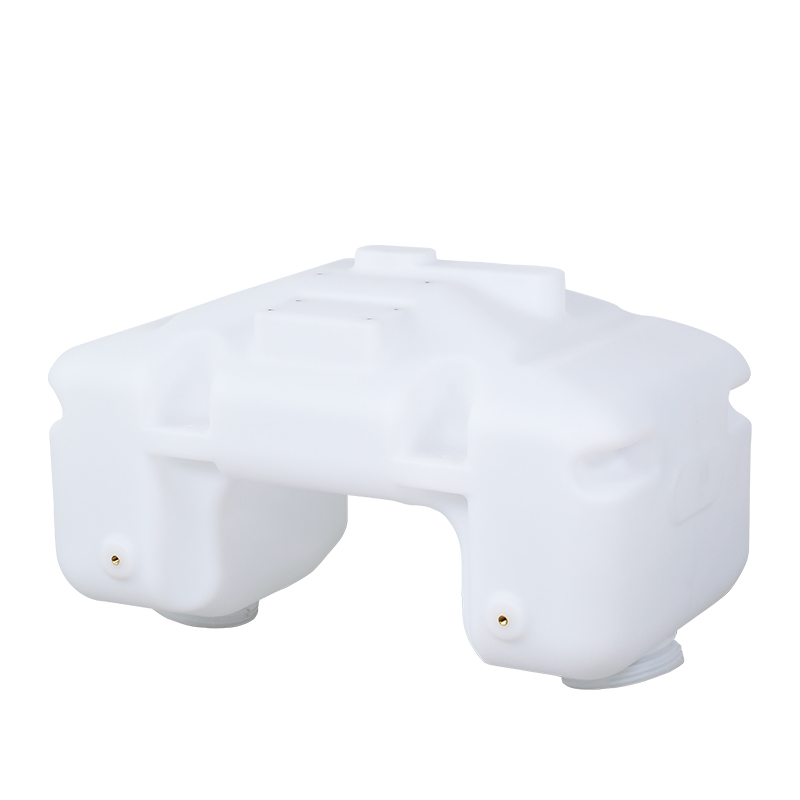
Core components of IVD instruments (e.g., biochemical analyzers, immunoassays) come into direct contact with reagents and samples, requiring extreme leak tightness, corrosion resistance, and sterility. The seamless design and material adaptability of rotational molding precisely meet these stringent requirements.
Examples:
- Waste liquid tanks,
- Reagent storage vessels
- Reaction chambers
- Sample storage containers for IVD instruments
- Integral instrument housings and pipeline connectors
Benefits:
- Leakproof Design: Seamless one-piece molding eliminates joints, effectively preventing the leakage of biochemical reagents and samples, avoiding residual contamination, and ensuring the accuracy of test results.
- Chemical Corrosion Resistance: Medical-grade PE, LLDPE, and other acid- and alkali-resistant materials can be selected to withstand the service environment of various diagnostic reagents (e.g., acid-alkali reagents, enzyme reagents) with no material degradation during long-term use.
- Stability and Mass Production: Controllable, uniform wall thickness guarantees the stability of liquid storage and transfer, while the technology supports efficient, large-scale mass production to meet industrial demand.
2.3 Components for Operating Room and Emergency Equipment
Operating rooms and emergency scenarios demand the highest standards for equipment sterility, mobility, and durability. Rotational molding’s strengths in lightweight construction and seamless sterility make it an ideal choice for meeting operating room infection control standards and the mobility needs of emergency equipment. Notably, the customization of rotationally molded housings for operating room equipment has become a core industry demand.
Examples:
- Surgical lamp housings
- Medical pendant enclosures
- Emergency trolley main bodies
- Ventilator/anesthesia machine casings
- Gas circuit protection components,
- Disinfection trays, and stretchers.
Benefits:
Ergonomic Design: A rounded, seamless structure with no sharp edges or splices adheres to operating room infection control protocols. It can withstand repeated disinfection with medical-grade disinfectants (e.g., sodium hypochlorite) without residue or material damage.
Lightweight yet High Strength: Rotationally molded components are used in emergency trolleys, portable ventilators, and other devices, enabling medical staff to move and transport equipment quickly and efficiently—critical for emergency response scenarios.
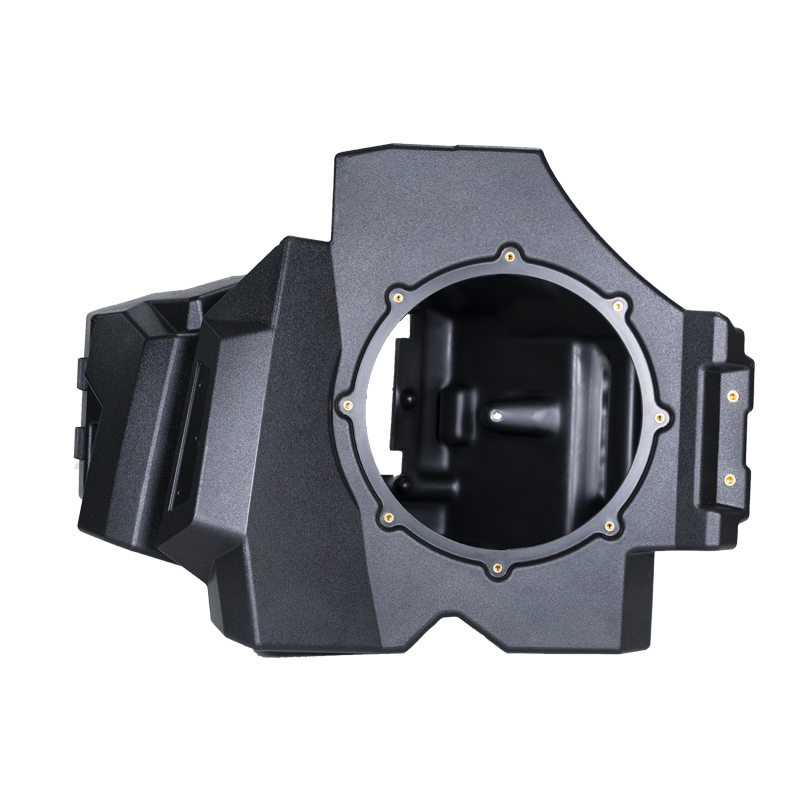
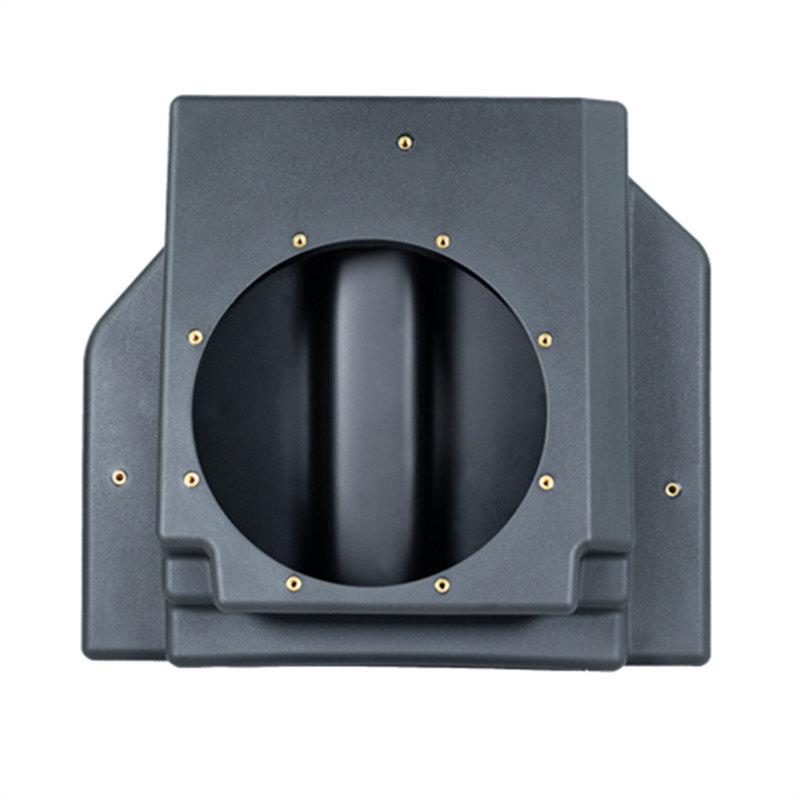
Modular Integration: The technology supports the integration of functional components such as modular interfaces, threaded inserts, and mounting brackets, reducing secondary processing, streamlining the rapid assembly and maintenance of operating room equipment, and lowering long-term operational costs. Customized services are also available to meet the unique requirements of different surgical equipment models.
2.4 Large Components for Laboratory Equipment
Laboratory apparatus (e.g., fume hoods, incubators, biosafety cabinets) is in prolonged contact with acid-alkali reagents and disinfectants, requiring superior corrosion resistance and sealing performance. Rotational molding can produce large one-piece components, effectively eliminating leakage risks associated with splicing.
Examples:
- Fume hood liners
- Large incubator enclosures,
- Clean bench housings, biosafety cabinet side panels, and reagent storage cabinet main bodies.
Benefits:
- Superior Chemical Corrosion Resistance: Resists erosion from common laboratory reagents and disinfectants (e.g., strong acids, strong alkalis, organic solvents) with no deformation or leakage during long-term use.
- High Sterility Assurance: One-piece seamless molding prevents reagent residue and bacterial growth, safeguarding the sterility and safety of laboratory environments.
- One-Piece Large Component Production: Capable of manufacturing oversized one-piece components (e.g., 3-meter-long fume hood liners), the technology reduces equipment assembly steps, enhances overall sealing and structural stability, and meets the operational requirements of large-scale laboratory equipment.
2.5 Main Bodies of Rehabilitation & Nursing Equipment and Hospital Auxiliary Furniture
Rehabilitation and nursing equipment (e.g., shower chairs, commode chairs, rehabilitation training devices) is in constant contact with patients’ skin and is mostly used in humid environments, demanding the highest levels of safety, durability, and skin-friendliness. Rotational molding’s airtightness and edge-free design perfectly cater to these needs.
Examples:
- Shower chairs
- Commode chairs
- Shower beds
- Rehabilitation training device housings
- Rehabilitation equipment components
- Walker armrests
- Nursing bed accessories
- Anti-decubitus air mattress casings
- Medical trolley main bodies
- Toilet assist frames.
Benefits:
- Mold and Bacteria Resistance: Maintains structural stability during long-term use in humid environments (e.g., bathrooms) with no odor or material aging.
- Enhanced Safety: A smooth, edge-free surface minimizes the risk of skin damage for elderly and disabled patients during use.
- High Design Flexibility: The one-piece molded structure is rugged and durable, suitable for the high-frequency use of rehabilitation equipment. It also supports customization of sizes and shapes, with ergonomic anatomical curved surfaces designed to significantly improve patient comfort.
2.6 Medical Cold Chain and Storage & Transportation Equipment
Medical waste disposal bins, medical transfer boxes, and medical cold chain equipment (e.g., vaccine transport boxes, blood storage tanks, outdoor medical refrigerators) require ultra-precise temperature control, superior sealing, and water/dust resistance. Rotational molding can integrate thermal insulation layers to deliver high-efficiency temperature retention.
Examples:
- Medical refrigerators
- Vaccine transport boxes
- Blood product storage tanks
- Medical supplies transfer boxes
- Cold chain insulation containers
- Medical equipment cases.
Benefits:
- Exceptional Sturdiness and Durability: Boasts high toughness, impact resistance, hermetic leakproofing, and easy disinfection, effectively preventing pollution from medical waste leakage and complying with regulatory requirements for medical waste disposal.
- High-Performance Thermal Insulation: The interlayer of rotationally molded enclosures can be filled with high-density polyurethane foam to form a highly efficient thermal insulation layer, achieving a temperature control precision of ±0.1℃. This provides full-temperature range storage protection for vaccines (-25℃~8℃), insulin, and blood products (2℃~8℃) in remote areas without access to fixed cold chain infrastructure.
- IP67 Sealing and Water/Dust Resistance: Complies with the IP67 protection standard, making it suitable for transporting medical supplies in extreme environments such as outdoor areas and disaster sites.
2.7 Medical Consumables and Auxiliary Appliances
Medical consumables and auxiliary appliances have massive market demand and strict cost-performance requirements. Rotational molding’s advantage of low-cost mass production aligns with the sector’s large-scale manufacturing needs while ensuring product safety and practicality.
Examples:
- Medical waste liquid collection barrels
- Disinfection containers
- Biological sampling vessels
- Medical airbags
- Rehabilitation massage balls
- Disposable medical trays.
Benefits:
- Cost Efficiency: Mold costs are lower than those of injection molding, enabling low-cost mass production and meeting the high cost-performance demands of medical consumables.
- Leakproof: One-piece seamless molding construction prevent leakage of medical waste and disinfection liquids, avoiding environmental contamination and safeguarding the safety of medical settings.
- Customizable Performance: Elasticity and hardness can be tailored to meet the specific requirements of different auxiliary appliances (e.g., the softness of medical airbags, the hardness of massage balls), while all products comply with strict medical safety standards.
3. Innovative Applications and Future Prospects of Rotational Molding
Beyond the conventional applications outlined above, rotational molding has broken through the limitations of traditional processing technologies and achieved innovative use in the field of special medical equipment. It provides personalized manufacturing solutions for medical device enterprises, further expanding the application boundaries of rotationally molded medical products.
A notable example is the **micro-pressure manned (oxygen) cabin**: its cabin body is produced via one-piece rotational molding using rotomolding-grade composite plastic raw materials. The product features uniform wall thickness and an integrally molded stiffener structure, delivering excellent airtightness, light weight, and corrosion resistance. This effectively overcomes the drawbacks of traditional cabin bodies, such as low structural strength, poor corrosion resistance, and high manufacturing costs. The rotomolded micro-pressure cabin can be widely applied in health fields, including alleviating altitude sickness and facilitating post-treatment rehabilitation.
Looking ahead, with the continuous advancement of medical technology, the healthcare industry’s demands for medical device quality and customization will continue to rise. Rotational molding is poised to further expand its application scenarios, injecting new momentum into the high-quality development of the global medical device manufacturing industry. As a professional rotational molding processing enterprise, Light Venus as a leading source manufacturer of customized rotational molding products, will continue to optimize rotomolding technologies, refine customized services, and support medical device manufacturers in achieving product upgrading and innovation.
 How to Integrate Molded-In Metal Inserts in Rotational Molding Process
 You May Also Like



 Tel
Tel
0086-13632687993
 Email
Email
roto@lightvenus.com
 Address
No. 1, Chuangying Road, South Industrial Avenue, Xiaolan Town, Zhongshan City, Guangdong, China

Sophy.Zhong
 Whatsapp