Tel: 0086-13632687993
  Email: roto@lightvenus.com


 Home
HomeHow to Integrate Molded-In Metal Inserts in Rotational Molding Process
 Apr 09,2026

How to Integrate Molded-In Metal Inserts in Rotational Molding Process
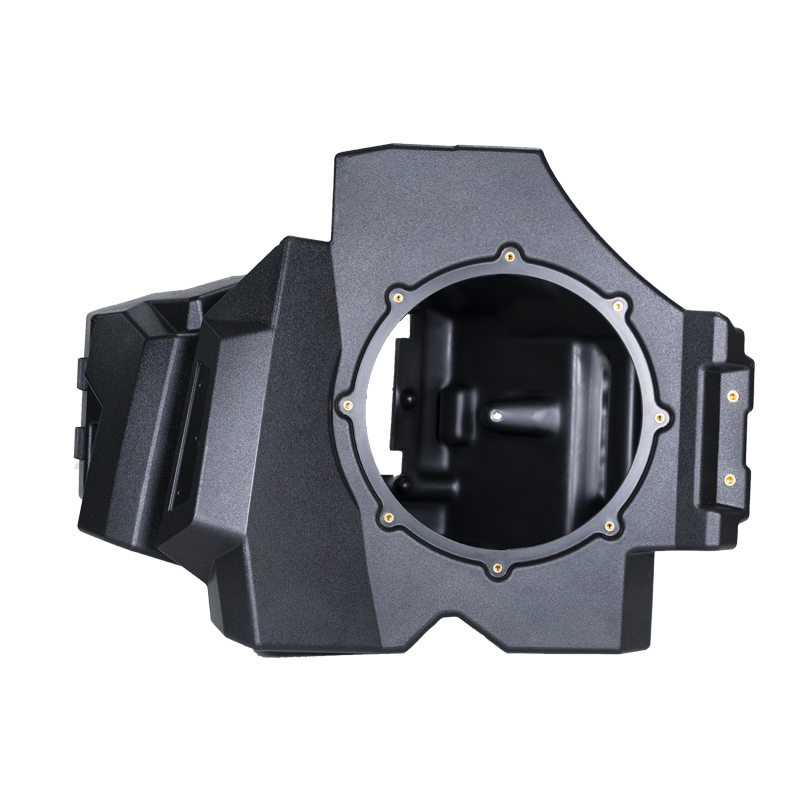
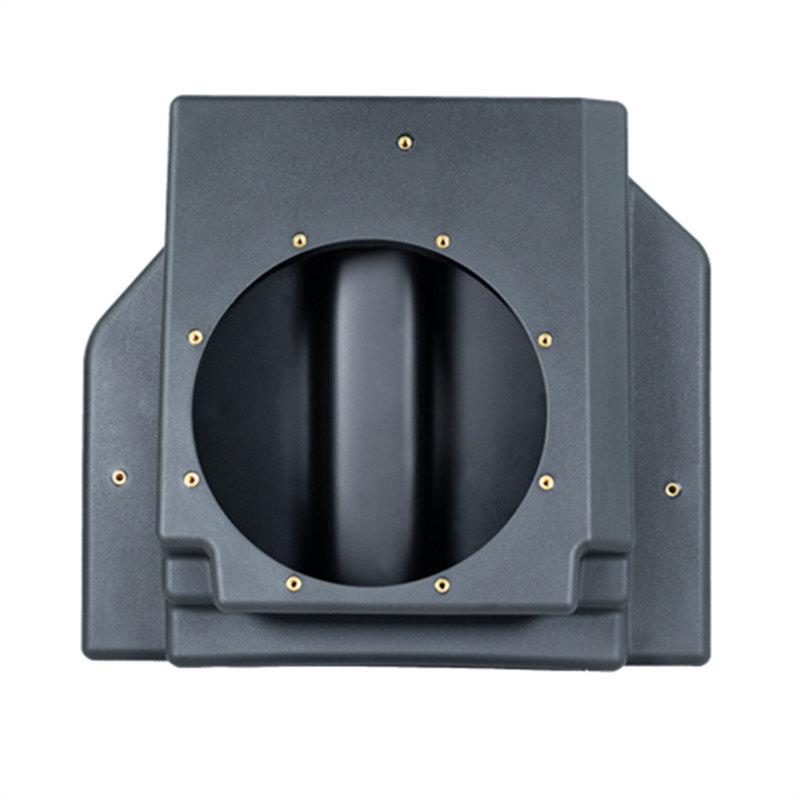
Rotational molding with molded-in metal inserts provides a seamless, high-strength way to embed metal components directly into plastic parts during production. Unlike secondary assembly or post-mold fastening, this technique encapsulates inserts within the plastic wall as the material melts and forms, delivering a permanent, stress-free bond that enhances durability, assembly efficiency, and end-product performance.
Key Advantages of Molded-In Inserts in Rotational Molding
- Stress-free encapsulation: Zero-pressure forming eliminates residual stress around inserts, greatly reducing the risk of stress cracking.
- Permanent mechanical lock: Plastic melts and grips insert features for long-term structural stability.
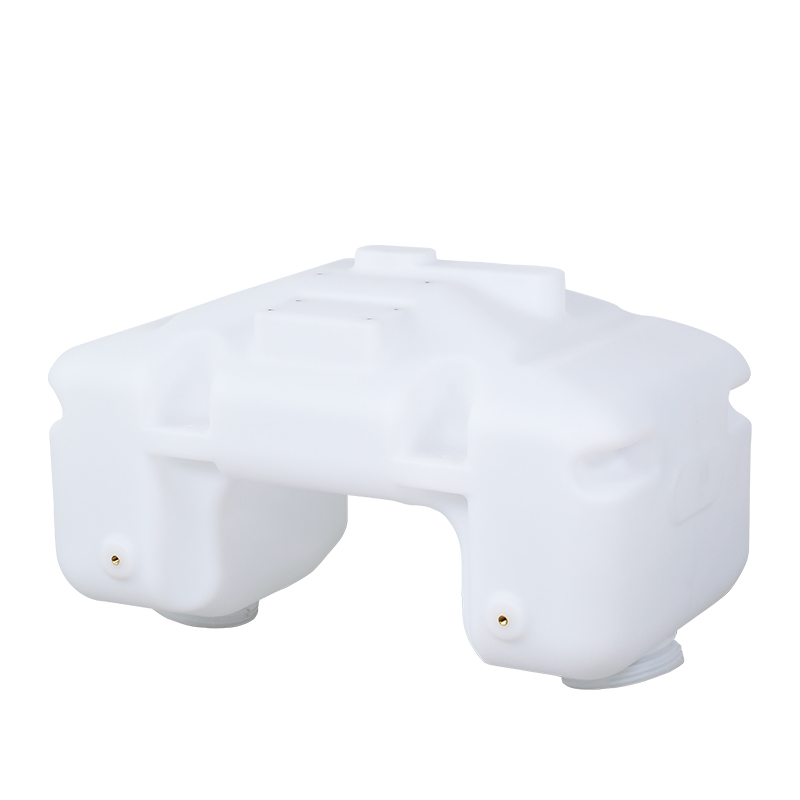
- Leak-proof performance: Ideal for pressure-rated fluid-handling and containment applications.
- Strong design flexibility: Supports complex shapes with minimal mold modification.
- Lower production cost: Cuts secondary operations, labor, and assembly time.
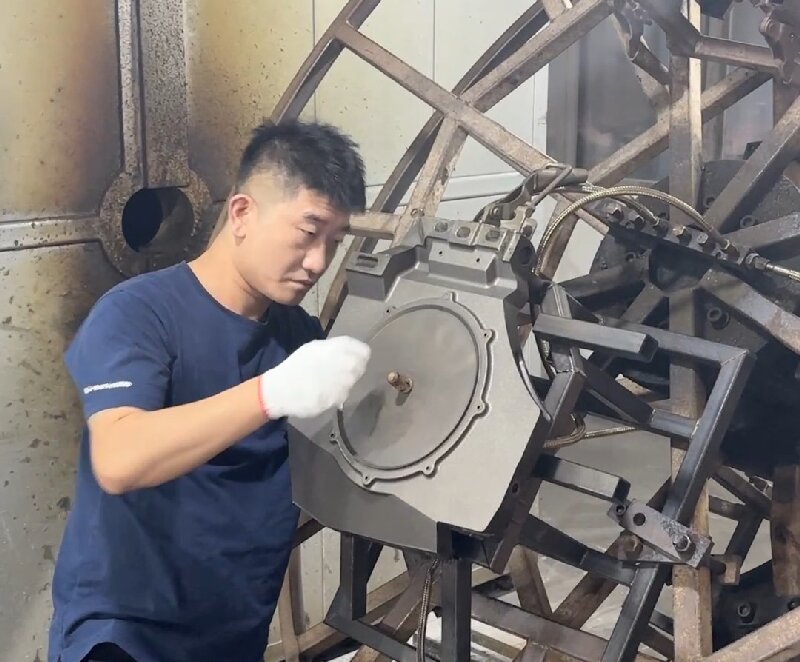
Step-by-Step: How to Integrate Inserts in the Rotomolding Process
1. Insert Selection and Material Compatibility
Choosing the right insert is the foundation of successful integration. Consider these factors:
Insert Materials:
- Brass: Excellent thermal conductivity, ideal for polyethylene encapsulation
- Aluminum: Lightweight, good heat absorption, cost-effective
- Stainless Steel: Superior corrosion resistance for harsh environments
Thread Standards:
- SAE, Metric, NPT, BSPP threads are commonly available
- Custom thread configurations for specialized applications
2. Mold Design and Insert Positioning
Proper positioning ensures the insert remains secure throughout the rotomolding process cycle. Key positioning methods include:
Mechanical Fixation:
Through-bolt method: A bolt passes through the mold wall to hold the insert in place
Proprietary mechanical fixings: Specialized clamps and holders designed for specific insert geometries
Magnetic Retention:
External magnets can hold steel inserts in position without penetrating the mold wall—ideal for complex geometrie
3. Thermal Considerations for Successful Encapsulation
For optimal encapsulation, insert materials must rapidly absorb process heat. This encourages the plastic powder to melt and accumulate uniformly around the insert. Preferred insert designs feature:
- Undercuts: Mechanical locking features that prevent pull-out
- External ridges: Increase surface area for better mechanical bonding
- Mesh components: Provide superior encapsulation and torque resistance
4. Managing Thermal Expansion and Stress Cracking
As plastic cools, it shrinks onto the insert, creating internal stresses. To prevent stress cracking:
Design Guidelines:
- Avoid large inserts when possible (smaller inserts handle thermal stress better)
- Eliminate sharp edges on inserts that can concentrate stress
- Ensure adequate wall thickness around insert areas
- Consider thermal expansion coefficients between metal and plastic
5. Advanced Insert Integration Techniques
Fiber-Reinforced Nylon Fittings
For pressure tank applications, injection-molded fiber-reinforced nylon fittings provide superior thread strength. The polyethylene powder melts at temperatures well below the fitting's melting point, allowing complete encapsulation while maintaining fitting integrity .
Spin Welding Alternative
When thread sizes are too small or fine for molded-in inserts, spin welding offers an excellent alternative. This secondary operation spins plastic fittings against the part surface at high RPM, creating a permanent, leak-free bond through friction welding
Applications: Where Molded-In Inserts Deliver Competitive Advantage
1. Industrial Fluid Handling Systems
Rotationally molded tanks and vessels with molded-in NPT or BSPP threaded inserts eliminate leak-prone through-wall fittings. The seamless encapsulation creates pressure-rated connection points ideal for:
- Chemical storage tanks
- Water treatment vessels
- Fuel cell containers
2. Heavy-Duty Equipment Housings
Industrial machinery covers and housings benefit from molded-in lift inserts and mounting points that withstand:
- Dynamic loading during transportation
- Vibration in operational environments
- Repeated assembly/disassembly cycles
3. Premium Consumer Products
High-end coolers, outdoor furniture, and recreational equipment utilize molded-in inserts for:
- Stainless steel hinge mounting points
- Threaded feet levelers
- Accessory attachment points
Quality Assurance in Insert Integration
1. Torque-to-specification testing: Verifying inserts withstand specified tightening forces without rotation
2. Tensile pull-out testing: Confirming mechanical retention meets engineering requirements
3. Thermal cycling validation: Ensuring bond integrity across operating temperature ranges
4. Leak testing: Critical for pressure vessel applications with threaded connections
The seamless integration of metal and plastic through rotational molding creates components that are lightweight, corrosion-resistant, and ready for immediate assembly—delivering significant advantages over traditional multi-part fabrication methods.
Ready to integrate molded-in inserts into your next rotomolding project? Contact us for a comprehensive design review and discover how our factory capabilities can bring your product vision to life.
 Why Rotomolding is the Perfect Fit for Cleaning Robot Enclosures?
 You May Also Like



 Tel
Tel
0086-13632687993
 Email
Email
roto@lightvenus.com
 Address
No. 1, Chuangying Road, South Industrial Avenue, Xiaolan Town, Zhongshan City, Guangdong, China

Sophy.Zhong
 Whatsapp